Background of the Forum
Info.
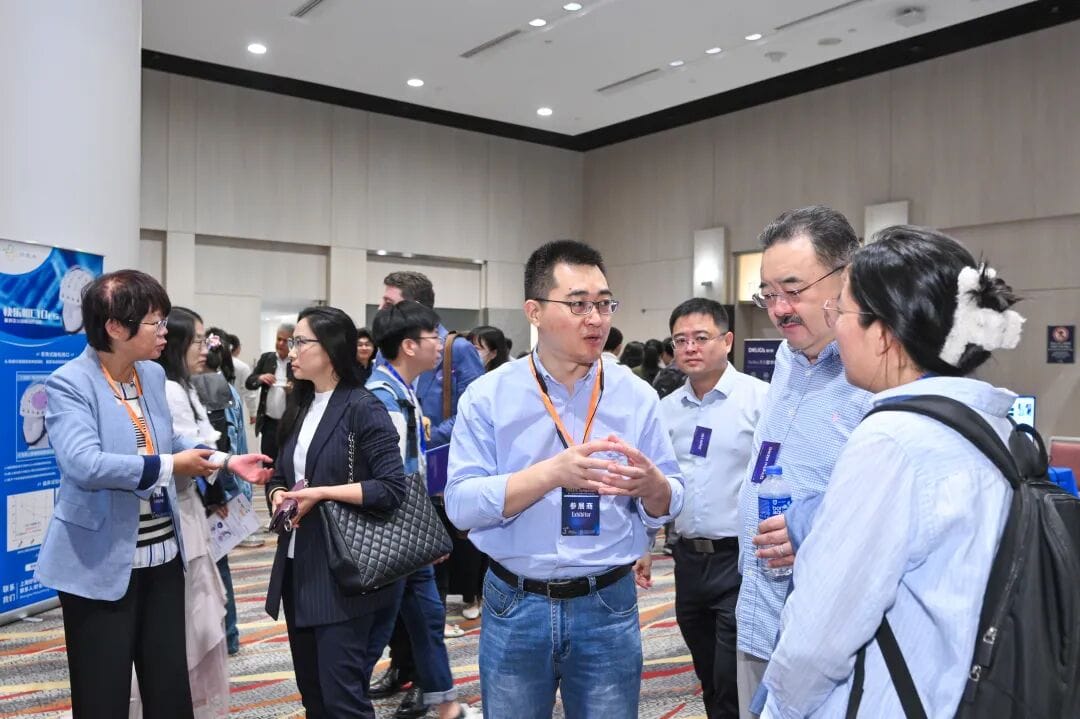
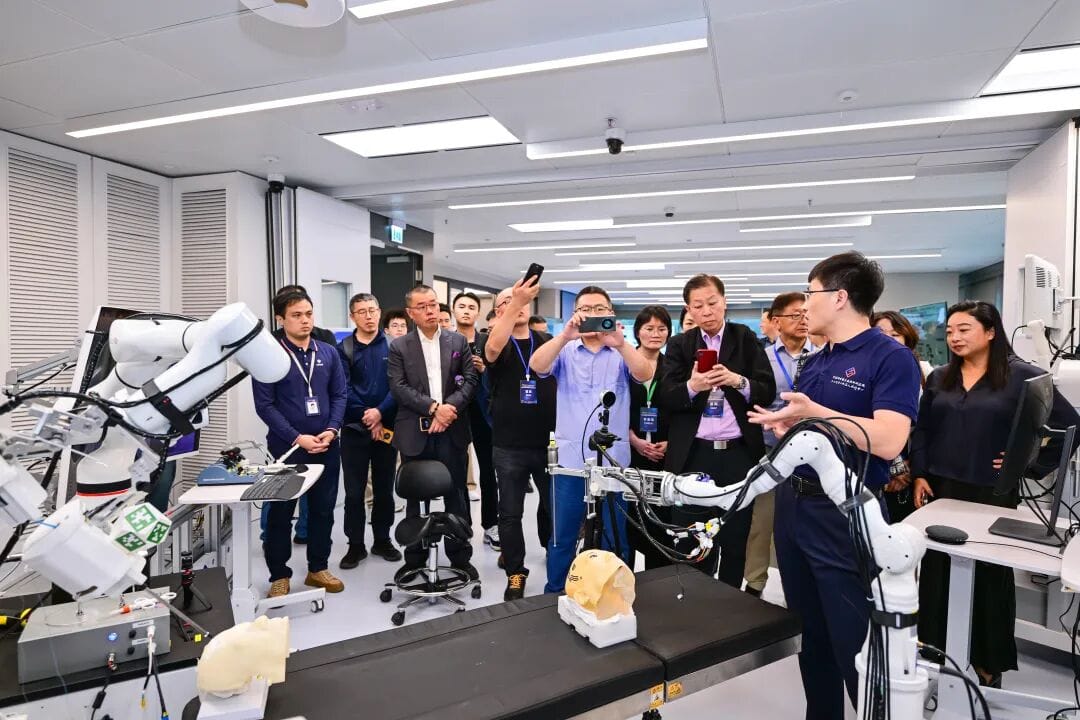
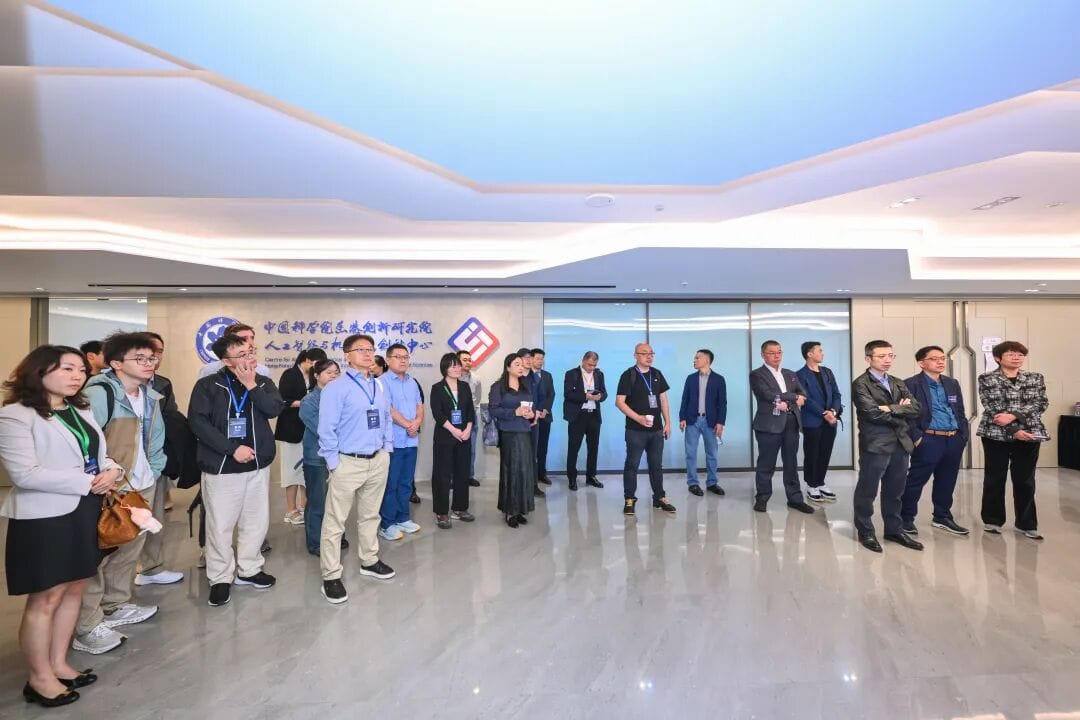
At the 3rd Hong Kong Embodied Intelligence Medical Technology Forum, research institutions, innovative companies, and investors from around the world came together to explore new pathways for the industrialization and globalization of the medical device industry. The forum focused on AI healthcare, intelligent robotics, and practical approaches to compliant overseas market entry for medical devices, drawing significant attention across the industry.
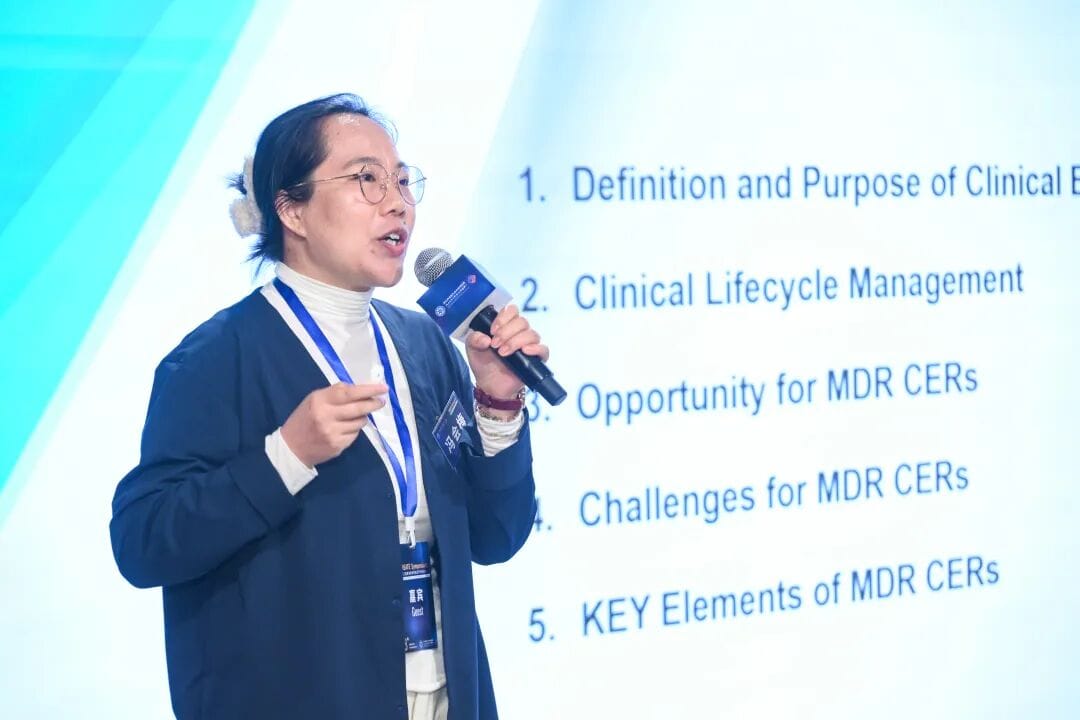
In the special session on "Going Global and International Compliance," Clinsota founder and clinical evaluation expert Feng Huimei was invited to speak and delivered a keynote presentation titled "Challenges and Opportunities in EU Clinical Evaluation."
Keynote Presentation
Sharing.
💡Opportunity: Seizing the New Window of Article 61(10) "Non-clinical Pathway"
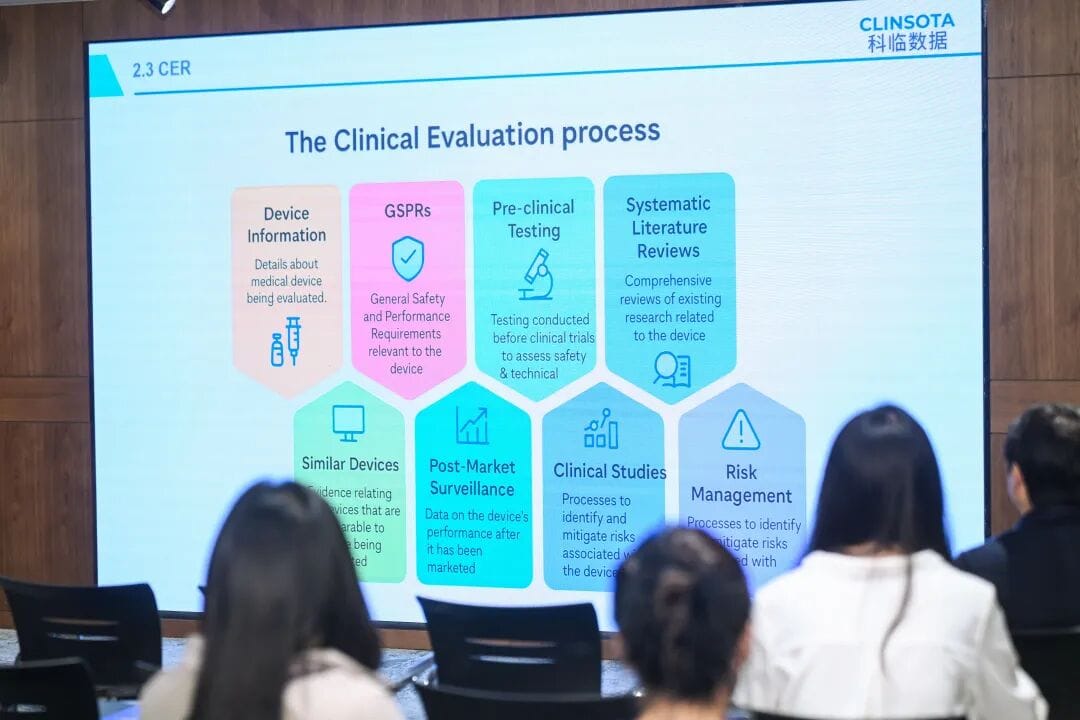
Feng Huimei noted that under the EU MDR, the clinical evaluation pathway is undergoing a structural shift. She focused on the application scenarios and key considerations of the Article 61(10) non-clinical evidence pathway, highlighting how manufacturers can build an evidence matrix accepted by the EU market through performance verification, risk management, and real-world evidence (RWE).
She emphasized thatthis "non-clinical pathway" is not a simplification, but a comprehensive test of a company's capabilities in data integration, standardization, and compliance.For Chinese medical device companies, this represents a critical window for integrating technology and regulatory strategy.
Experience Sharing
Experience.
⚠️Challenge: Common Deficiency Letter Issues and Response Strategies
Feng Huimei also stated candidly that the greatest challenges in EU clinical evaluation are frequent deficiency letters and lengthy review timelines. Drawing on years of experience and real-world cases, she analyzed several typical deficiency issues:
insufficient data consistency and unclear definition of clinical indications;
weak evidence linking performance verification to clinical relevance;
and a lack of a systematic literature support pathway.
To address these pain points, she proposed three key strategies::
build a risk-based evaluation framework to avoid "backfilling evidence" after the fact;
integrate clinical and non-clinical evidence through a matrix-based approach;
and establish a continuously updated internal "compliance knowledge base" so that deficiency letters become a driver of improvement rather than an obstacle.
Clinical Compliance
ClinEv.
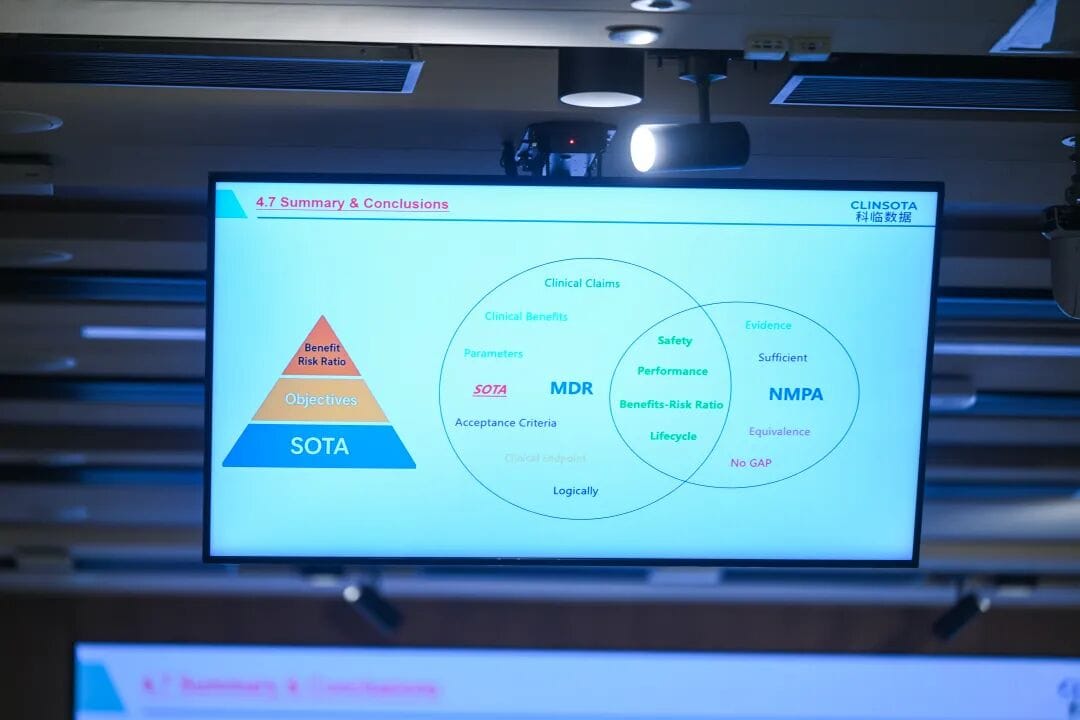
The key to clinical compliance for medical devices going global is not simply obtaining registration or certification, but ensuring the data are defensible and demonstrable.
Companies are advised to plan their clinical data flow from the early stages of product development and, together with AI and digital tools, build a globally compliant data asset system.
"A high-quality, short-cycle clinical compliance strategy is the core competitive advantage for the future global expansion of medical devices."
From regulation to clinical practice, and from China to the global market, international expansion for medical devices is not just about market growth, but about upgrading the entire system. From an expert perspective, Feng Huimei outlined a clear route for global compliance:using data as the bridge and evaluation as the foundation, enabling Chinese medical devices to go further with greater stability and confidence.